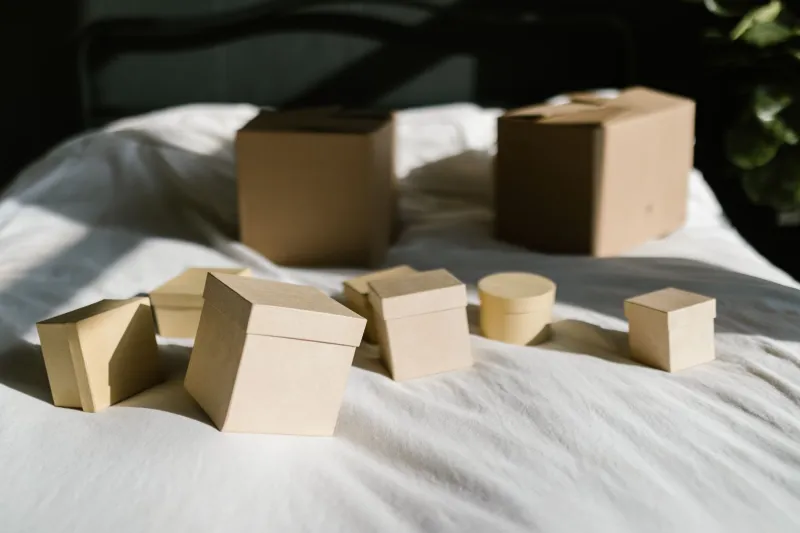
The Boring Box Wins: A Realistic Plan for Discreet Toy Storage
Most storage advice starts with the box. That is backward. In a shared apartment, a family home, or a rental with a housesitter taking care of the plants, the container matters less than the story it tells when someone opens the closet looking for a spare blanket. The best toy storage is not the prettiest case or the cleverest hiding spot. It is the setup that looks so ordinary nobody bothers to ask a second question.
That does not mean you need an elaborate decoy drawer or a fake shelf. It means you need a boring alibi: a plausible, low-stakes reason for the object to exist, the label to be there, and the lock to be shut. Privacy is not a performance. It is a small logistics problem, and it gets easier when you stop trying to be clever.
Build the cover story before you buy the container
Before shopping, answer one question: if a curious visitor found this container, what would they assume it holds? The answer should fit your actual life. A plain tote labeled 'winter bedding' works in a hall closet. A file box labeled 'tax stuff' works in a home office. A hard case labeled 'camera gear' works if you actually own a camera. What does not work is a label that invites attention: 'private,' 'personal,' 'do not open,' or anything with a heart sticker. Those labels are not alibis. They are announcements.
The cover story should also match the room. A toolbox in a bathroom is weird. A craft bin in a kitchen pantry is strange. A stackable storage bin on the top shelf of a bedroom closet is forgettable, which is the goal.
Pick a container that is dull by design
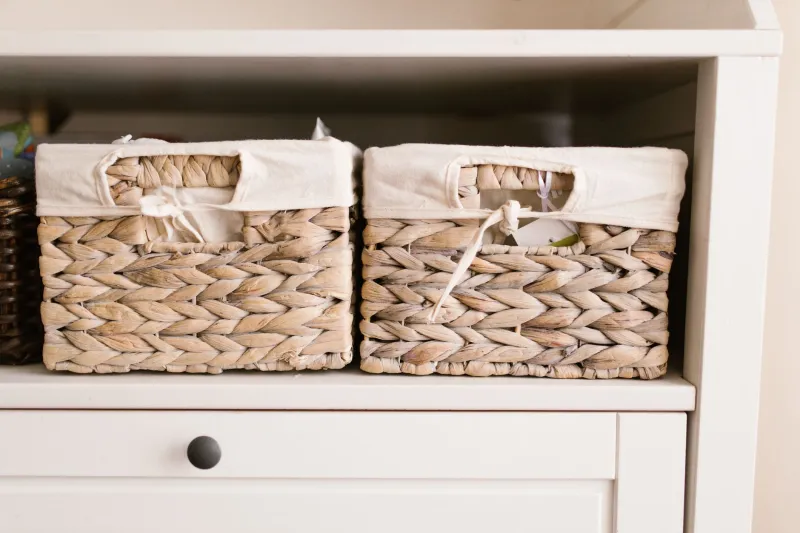
Opaque, stackable, and common beats beautiful every time. A matte utility tote, a locking file box, or a hard-shell case in a neutral color will disappear into a shelf. Avoid branded sex-shop packaging, velvet pouches left in the open, and anything shaped like a conversation starter. If you want a lock, choose a container with a real clasp or a small lockable pouch inside a larger bin. A cable lock through the zipper pulls of a soft bag is another low-key option.
For roommates, a lock is a boundary, not an accusation. You do not need to explain it. Most people see a locked box and move on. If someone asks, 'It has my passport and some old checks in it' is a complete sentence. Keep the key or combination somewhere separate from the box, and not taped to the bottom.
Labels should be boring, specific, and a little forgettable
Use a label maker or a plain index card. Good labels are specific enough to be believable and dull enough to end the conversation: 'Extra cables,' 'Winter hats,' 'Old chargers,' 'Craft supplies,' 'Camera accessories.' Bad labels are vague in a way that sounds like a secret: 'Misc,' 'Personal,' 'Private.' If the bin lives in a closet with other bins, match the labeling system already there. Consistency is camouflage.
A small inner pouch helps too. Put the toy and its charger in one pouch, then put the pouch in the larger bin. If someone opens the bin, they see a pouch labeled 'chargers' or 'electronics' and not a collection that requires a follow-up discussion.
Cables are the giveaway
Charging cables are the most common tell. A magnetic USB cable, a proprietary dock, or a bright charging cable left on the nightstand says more than a locked box ever will. Keep the charger with the toy, inside the pouch. If the toy uses USB-C, use a generic cable and store it with the other cables. If it uses a proprietary connector, label the pouch 'device charger' and keep it out of sight. Do not leave a toy charging on the bedside table when guests are coming. Charge it, unplug it, put it away. That is the whole routine.
Placement beats hiding
The best spot is not the most hidden spot. It is the most boring spot that still keeps the item out of casual view. Top shelf of a closet, behind a stack of folded towels, inside an opaque under-bed bin that also holds off-season clothes, or in a locked footlocker at the back of a wardrobe. Avoid the bathroom for long-term storage, especially in a shared home, because humidity and traffic make it a bad combination. Avoid the guest room closet if housesitters will be sleeping there. Avoid the sock drawer if you live with someone who borrows socks.
Run a housesitter test before you leave town. Walk into the room as if you are looking for a spare towel. What do you see first? If the answer is a cable, a branded box, or a lock with no explanation, adjust. The goal is for the setup to survive a normal amount of curiosity without becoming a topic of conversation.
Know when a lock is not the answer
An alibi is for casual visitors, not for a partner who has a legitimate stake in what is in the shared closet. If you share a home with a partner, privacy norms should be discussed, not engineered. And if you are worried about someone who might become angry or punitive if they find the box, a lock is not a safety plan. In that case, the priority is a safer living situation, not a better label.
For everyone else, the setup can be simple: one opaque bin, one small lockable pouch, one plain label, one cable kept inside, and one shelf that does not attract attention. The boring box wins because it does not ask to be noticed. That is the point.
At Dirty Toy Store, we would rather you spend your money on a toy you will actually use than on a storage system that looks like a prop from a spy movie. The unremarkable version is cheaper, quieter, and far more likely to work.