The Monthly Toy Tune-Up: A 20-Minute Reset for Cleaner, Charged, Ready-to-Store Gear
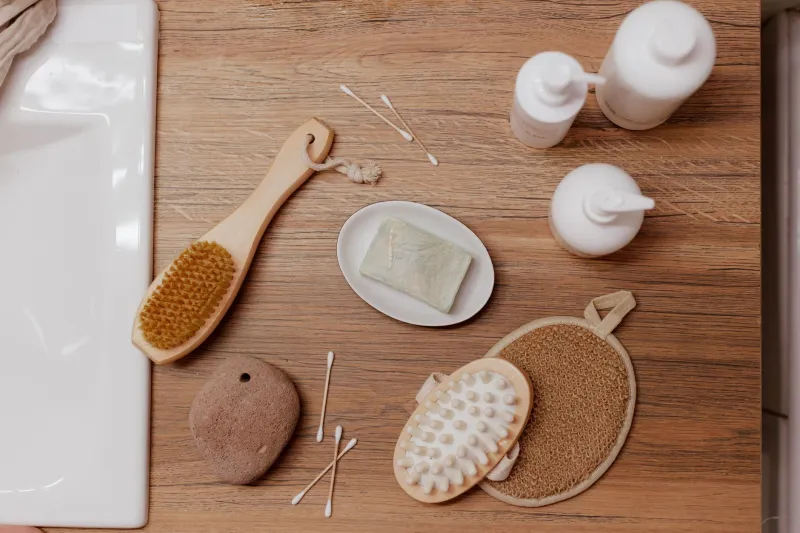
A toy collection shouldn’t require a spreadsheet, a hazmat suit, and a free weekend. Most maintenance is boring in the best way: wipe, charge, store, repeat. The trick is doing it before things get gross or dead. That’s why we like the 20-minute monthly reset. It’s short enough to actually do and thorough enough to catch the problems that turn a fun purchase into drawer clutter.
Set a timer. Put on a podcast. Grab a clean towel, mild unscented soap, a toy cleaner if you use one, and a microfiber cloth. Then work through the collection in four five-minute blocks.
Minutes 0–3: Triage the Drawer
Pull everything out. Yes, everything. Check for cracks, tears, sticky spots, weird odors, rust, battery swelling, and mystery lint. Put anything questionable in a separate pile. If a toy has a removable battery, take it out now. If it’s been sitting dead for months, don’t assume it’s fine. This is also the moment to find the charging cables you swore you kept together.
Be honest about what you actually use. A collection isn’t better because it’s big. If something has been in the drawer untouched for a year and you don’t have a specific reason to keep it, it belongs in the retire pile.
Minutes 3–8: Clean by Material, Not by Vibe
Cleaning basics depend on what the toy is made of and whether it has motors. Follow the manufacturer’s instructions first, especially for anything waterproof, rechargeable, or app-connected. For non-motorized silicone, glass, and stainless steel, warm water and mild unscented soap are usually enough. Rinse well, then dry completely with a clean cloth. For motorized toys, use a damp cloth or a toy cleaner approved for the material, and keep the charging port and battery compartment dry.
Skip bleach, harsh household cleaners, and anything abrasive. Don’t boil a motorized toy, don’t dishwasher something unless the maker explicitly says it’s safe, and don’t use alcohol on materials that can dry out or degrade. If you’re not sure, check the manual or contact the manufacturer. Silicone toys should be stored separately from other materials to avoid reactions, and they should be fully dry before they go back in a bag or drawer.
This is also a good time to check lube bottles. Expired lube, crusty caps, and mystery pump tops are not worth keeping. Follow the label and the manufacturer’s compatibility guidance for your toy material.
Minutes 8–12: Charge and Check Batteries
Charge what needs charging, but don’t leave everything plugged in forever. Use the cable that came with the toy when possible, avoid charging on a hot windowsill or under a pile of laundry, and unplug when the indicator says it’s done. Lithium-ion batteries prefer partial charges to total drain. If you’re storing a toy for a long stretch, charge it to roughly half, turn it off, and check it every few months.
Retire any battery that is swelling, leaking, overheating, or taking a dramatically shorter charge than it used to. A swollen battery is not a wait-and-see situation. Stop using the toy and dispose of the battery properly.
Minutes 12–16: Storage and Privacy Check
Storage is where good intentions go to die. Check that bags are clean and dry, that dust covers are actually covering something, and that toys aren’t jammed against each other in a way that bends motors or traps moisture. Keep the collection in a cool, dry place. A steamy bathroom drawer is convenient, but it’s not kind to electronics or silicone.
If privacy matters, confirm that your storage still works for your living situation. A locking case, a plain tote, or a labeled box in a closet can be enough. Check travel locks before a trip. Make sure chargers and cables are labeled so you’re not guessing in the dark. And if you share space with roommates, partners, or kids, this is the moment to fix the system before someone finds the system.
Minutes 16–20: Retire, Replace, Dispose
Some toys can be cleaned and kept. Some need to go. Retire a toy if the material is cracked, torn, tacky, discolored, or holding odor after cleaning. Retire it if there’s rust, mold, a broken seam, a frayed charging port, unreliable controls, or a motor that sounds like it’s chewing gravel. Battery swelling is an automatic retirement.
In the US, disposal rules vary by municipality, so check local guidelines. Remove rechargeable batteries when possible and take them to a battery or e-waste drop-off. Don’t donate used adult toys. Some manufacturers offer take-back or recycling programs, and some retailers list disposal guidance. If you’re replacing a toy, buy from a reputable retailer, confirm the material and warranty, and size the replacement to your actual habits, not your aspirational ones.
Make the Reset Stick
Put a recurring reminder in your phone for the first Sunday of the month, or whatever day you’ll actually remember. Keep a small cleaning kit together so you’re not hunting for a cloth. The goal isn’t a museum-quality display. It’s a collection that’s clean, charged, discreet, and ready when you want it. Twenty minutes a month is a small price for that kind of peace of mind.