Thin Walls, Loud Motors: How to Shop for a Quieter Toy in 2026
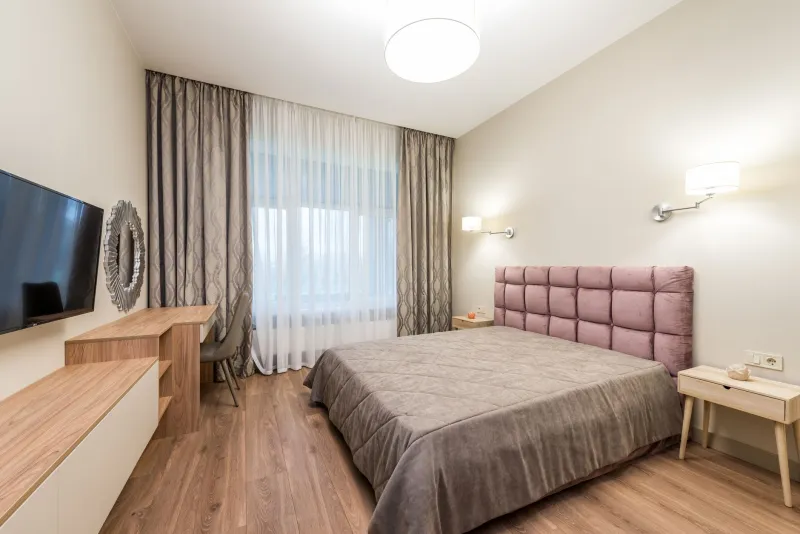
Apartment life comes with a lot of unspoken negotiations: whose turn it is to take out the trash, how loud the TV can be after 10 p.m., and whether your bedroom wall is actually made of drywall or a polite suggestion. Toy noise belongs in that list. If you live with roommates, share a thin-walled rental, or just do not want your business broadcast through the HVAC vent, quiet is not a luxury. It is a buying criterion.
What actually makes a toy loud
Motor noise is only part of the story. A toy can be loud because of the motor itself, the gearing that translates motor speed into movement, the housing that surrounds it, and the surface you set it on. Hard plastic shells can resonate like a tiny speaker. Loose caps, rattling buttons, and poorly fitted parts add clatter. Higher speeds usually mean more noise, but a cheap motor at a low speed can still whine more than a better motor at a medium setting.
There is also a difference between airborne noise and vibration. Airborne noise is what you hear directly. Vibration travels through your hand, the bed frame, the nightstand, and sometimes the floor. A toy that sounds quiet in the air can still thump through a wooden bed frame. That is why reviews that only say it is quiet are not very useful. Quiet where? On a mattress? On a glass nightstand? In a bathroom with tile? Context is everything.
How to read noise claims without getting played
A decibel number is better than a vague promise, but only if you know how it was measured. Was the toy running at the highest speed? Was it resting on a soft surface or a hard table? Was the microphone one foot away or across the room? A claim of 40 dB sounds impressive until you realize that 40 dB in a silent room is not the same as 40 dB next to a running air conditioner.
Treat phrases like whisper quiet, discreet, and ultra-silent as marketing until proven otherwise. Look for reviews that mention specific situations: under a blanket, on a memory foam mattress, with a fan running, in a shared apartment. Written reviews are more helpful than sound clips, because phone microphones compress and distort volume. If a product page has a customer service chat, ask for the noise level at the lowest and highest settings and how it was measured. A retailer that cannot answer is telling you something.
Test it like you actually live there
When the toy arrives, do not judge it in a silent bedroom at midnight and panic. Test it in the conditions you will really use it. Turn it on at the lowest setting and place it on your bed, then on your nightstand, then on the floor. Listen from the next room with the door closed. Run your usual fan or white noise machine. Put a folded towel under it and see how much the sound changes. These small tests tell you more than a product page ever will.
A phone decibel app is not a laboratory instrument, but it can give you a rough comparison between settings and surfaces. Use it to check whether the highest speed is dramatically louder than the middle one. If you share walls, test at the time of day when your neighbor is most likely to be home, not when the building is empty.
Reduce sound without wrecking the toy
The easiest fix is also the least exciting: use a lower setting. Many toys are louder than they need to be because we jump straight to maximum. A folded towel, a rug, or a mattress absorbs vibration better than a hard nightstand or a glass table. Keep the toy on soft surfaces when possible. Make sure caps and battery covers are snug. Do not cover motor vents or wrap a toy in a thick blanket while it is running; trapped heat is a real risk. Follow the manufacturer’s cleaning and lubrication instructions, and do not add random household oils to quiet a squeak.
White noise, a fan, a TV, or a sound machine can mask ordinary motor hum. Closing doors and using a rug in the hallway helps more than people expect. If your walls are truly paper-thin, a non-motorized toy or a very low-powered external vibe may be the practical choice. There is no shame in that. Discretion is part of usability.
A quiet shopping checklist
Look for a brushless motor if the brand lists it. Check for a genuine low setting, not just a pattern that starts strong. Silicone-covered housings tend to dampen sound better than hollow hard plastic. Compact shapes with tight seams rattle less. Read reviews for words like roommate, thin walls, apartment, and fan. Check the return policy before ordering, because noise is subjective and a toy that is quiet to one person may be annoying to another.
Discretion is a specification
In 2026, we compare battery life, charging time, material, and waterproofing. Noise deserves the same treatment. It affects when, where, and whether you use the thing you bought. A toy that makes you tense every time the radiator kicks on is not a good value, no matter how many patterns it has. Shop for quiet the same way you shop for fit: with real questions, realistic tests, and a little patience. Your walls will not thank you, but your roommate might.