The Vanity Drawer Is a Trap: What Bathroom Humidity Does to Toys Before You Notice

The drawer looked innocent
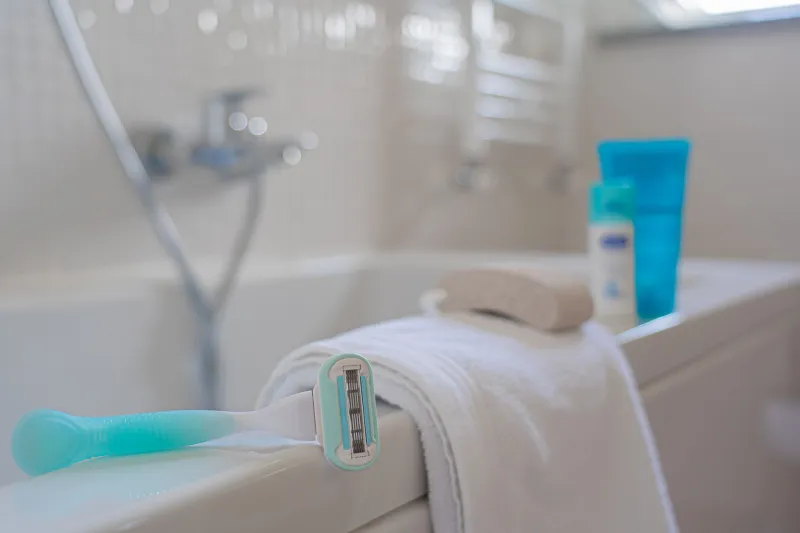
A lot of toy storage advice starts with discretion: put it somewhere private, somewhere guests will not stumble into it. Fair enough. But the bathroom vanity drawer is a bad roommate. It does not yell or eat your leftovers. It just sits there, holding warmth and moisture against your toys until the silicone feels off, the motor gets cranky, or the charging port starts doing that thing where it only works at one exact angle.
At Dirty Toy Store, we are not anti-bathroom. We are anti-bathroom-as-long-term-toy-storage. There is a difference. The bathroom is where you clean things, not where you archive things. In 2026, with more toys using sealed rechargeable batteries and body-safe silicone blends, the stakes are less about melting plastic and more about slow, boring degradation: humidity, heat swings, dust, and the enclosed drawer that turns all three into a little microclimate.
What steam actually does to materials
Silicone is tough. It is not fragile. But it is not a fan of being parked in a damp, warm, low-airflow space for months. Moisture alone does not usually destroy high-quality silicone, but it can encourage surface film, trapped odors, and mold growth in crevices, seams, and storage pouches. If the toy has a porous component, a fabric sleeve, or a cheaper elastomer blend, the bathroom is an even worse fit. Those materials can hold onto dampness longer, and dampness plus darkness is the classic setup for mystery smells.
Then there is the heat. A bathroom that steams up during showers and cools down afterward is a humidity roller coaster. Repeated expansion and contraction is not dramatic on day one. It is the kind of thing you notice six months later when a toy feels tacky, looks dull, or has a faint smell you cannot place. A body-safe material can still be a poorly stored material.
Motors and batteries hate the vibe
Electronics are the bigger worry. A motor housing is not a submarine. Even toys marketed as splash-resistant usually mean “a little water on the outside during cleaning,” not “please store me in a steam room.” Moisture can work its way into seams, button gaps, and charging ports. Once it is in there, corrosion is patient. It does not need to kill the toy immediately. It can just make the buttons less responsive, the charging light less reliable, or the motor sound rougher.
Rechargeable batteries add another layer. Heat speeds up battery aging. A vanity drawer near a shower is not a sauna, but it is warmer and more humid than a bedroom closet, and it cycles every day. Over time, that can mean shorter runtimes and a toy that seems to lose power faster than it used to. You might blame the battery. The drawer helped.
The storage habits that invite problems
A few common moves make bathroom storage worse:
- Sealing a toy while it is still damp. Let it air-dry completely before it goes into a pouch, case, or drawer. A microfiber cloth helps, but airflow is the real finish line.
- Storing in a closed vanity drawer with no ventilation. Enclosed, warm, and humid is the trifecta. If the drawer smells like a gym bag when you open it, your toy should not live there.
- Keeping charging cables coiled around the toy. Cables trap moisture and dust, and they can stress the port. Store cables separately.
- Leaving toys on the shower ledge “to dry.” They are not drying. They are marinating in overspray and soap residue.
- Using fabric bags that never get washed. Pouches are not magic. If they smell faintly sour, wash them or replace them.
A better bedroom-closet setup
You do not need a locked cabinet or a dramatic reveal shelf. You need dry air, stable temperature, and a little separation from dust. A bedroom closet shelf or a drawer away from the bathroom is usually the simplest upgrade. Keep toys in breathable pouches or a hard case with a few ventilation holes, not a sealed plastic bin that traps any residual dampness.
For silicone toys, a clean cotton or microfiber pouch is fine once everything is bone dry. For electronics, a hard case with a little breathing room is better than a tight bag. If you live in a humid part of the US, a small rechargeable dehumidifier or moisture-absorbing packet in the storage area can help, but do not put desiccant packets directly against silicone or in a toy’s charging port. The goal is a drier room, not a science experiment.
Travel storage is not the same as home storage
A travel case should be compact and protective. A home storage setup should be dry and boring. Do not leave a toy in a zipped travel case for six months just because it is convenient. Cases are for transport, not permanent housing. If you use a lockable case for privacy, open it for a few hours after cleaning and before closing it up again.
The 2026 version of “out of sight”
Discretion still matters. Nobody is saying you should leave a toy on a nightstand if that makes you uncomfortable. But privacy and humidity are different problems. Solve privacy with a closet, a drawer in a dry room, or a case that does not advertise itself. Solve humidity with airflow, complete drying, and distance from the shower.
The bathroom can keep the steam. Your toys do not need a spa day. Move them somewhere dry, give them room to breathe, and check the drawer before it becomes a diagnostic tool for regret.